
Is Pea Protein A Complete Protein?
Whether you’re a vegan with concerns about nutrition, an avid exerciser thinking about incorporating protein supplement in your diet, or just interested in dietary choices, you may have asked yourself: “is pea protein complete and it adequate to use it as my principal protein source?
WHAT IS A COMPLETE PROTEIN SOURCE?
Protein is a macro-nutrient, meaning it’s one of the major types of nutrients we need in our diet. Proteins themselves are made up from ‘amino acids’. When proteins are digested or broken down, amino acids are left. There are hundreds of known amino acids, but, to function correctly, the human only body needs 21 of them. The body can produce the majority of amino acids itself, these are considered non-essential amino acids. But 9 of the 21 amino acids cannot be made in the body from precursor molecules or amino acids themselves, so need to be obtained from your food diet, or from the breakdown of body proteins.
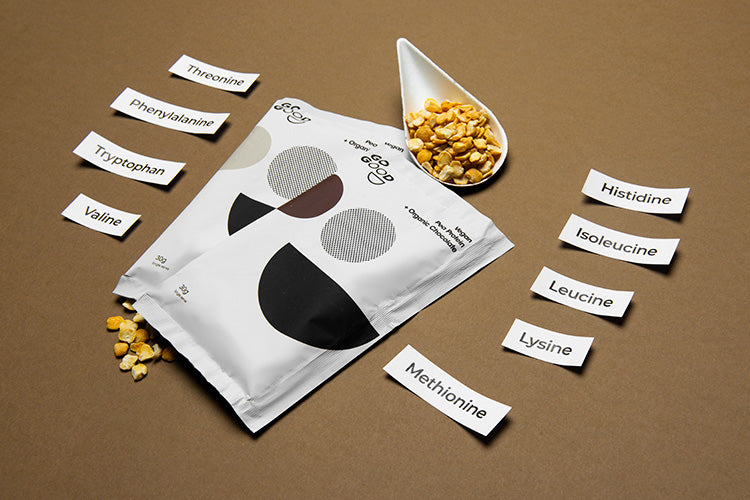
The nine essential amino acids are Histidine, Isoleucine, Leucine, Lysine, Methionine, Phenylalanine, Threonine, Tryptophan and Valine.
A ‘complete protein’ is a protein that contains the 9 essential amino acids (EAAs).
It's widely commonly admitted that vegan proteins are incomplete, or put differently, they don’t include all of the different essential amino acids - as opposed to animal proteins that are deemed to be complete. However, this is actually not entirely right as certain high-quality vegetable proteins such as premium pea protein isolates contain all essential amino acids. Go Good vegan pea protein blends contains all of the EAAs.
AMOUNT OF ESSENTIAL AMINO ACIDS IN COMPLETE PROTEINS
When it comes to dietary protein, they’re not all created equal. Proteins are derived from a combination of various amino acids in different ratios and characterized by how much of an essential amino acid they provide.
A study by the World Health Organisation stipulates the recommended intake of EAAs for humans.
|
Type of Essential Amino Acid |
WHO guidelines |
Go Good Pea Protein EAA content (g/100g) |
|
Histidine |
1.5 |
2.0 |
|
Isoleucine |
3.0 |
7.0 |
|
Leucine |
5.9 |
11.4 |
|
Lysine |
4.5 |
9.4 |
|
Methionine |
3.8 |
2.6 |
|
Phenylalanine |
3.8 |
3.5 |
|
Threonine |
2.3 |
7.4 |
|
Tryptophan |
0.6 |
2.1 |
|
Valine |
3.9 |
6.4 |
As per the numbers compiled by the WHO, Go Good pea protein powders content in essential amino acids exceeds the recommended amount to power a healthy body, except for Methionine.
A single serving of Go Good pea protein powder assists providing around three-quarters of someone's daily requirements in essential amino acids:
|
Type of Essential Amino Acid |
WHO guidelines |
% of daily amino requirement for an average person in 1 serving of Go Good pea protein |
|
Histidine |
1.5 |
40% |
|
Isoleucine |
3.0 |
70% |
|
Leucine |
5.9 |
58% |
|
Lysine |
4.5 |
63% |
|
Methionine |
3.8 |
21% |
|
Phenylalanine |
3.8 |
28% |
|
Threonine |
2.3 |
96% |
|
Tryptophan |
0.6 |
105% |
|
Valine |
3.9 |
49% |
USE PEA PROTEIN AS A SUPPLEMENT
We’ve established that pea protein alone doesn’t contain enough Methionine to meet the required amounts on a daily basis.
However, methionine is found in adequate amounts in many other foods, including eggs, cheese, chicken, beef, fish, wheat germ, oats, and even rice. It makes pea protein’s deficiency only an issue if you’re not eating any other sources of this amino. This could be a problem if you’re a vegan or vegan keto dieter, but most people are likely to get enough without having to make a concerted effort.
You should get all 9 essential amino acids in the required amounts on a daily basis. A diet based on a single plant item will not be adequate, but you no longer need to worry about getting all essential amino acids in the same meal. Many vegetarians and vegans purposely combine food sources throughout the day to fill in their EAA voids. Since pea protein is only short on one amino acid, you should be able to get the maximum benefit from it if you’re eating a well-rounded diet (even one based exclusively on plant food) with added protein supplementation.
When choosing your pea protein powder, you shouldn't stress out about the amount of EAAs it contains, but most certainly focus on other criteria such as the protein source to avoid potential allergy, bioavailability and total protein content.
FEATURED PRODUCT
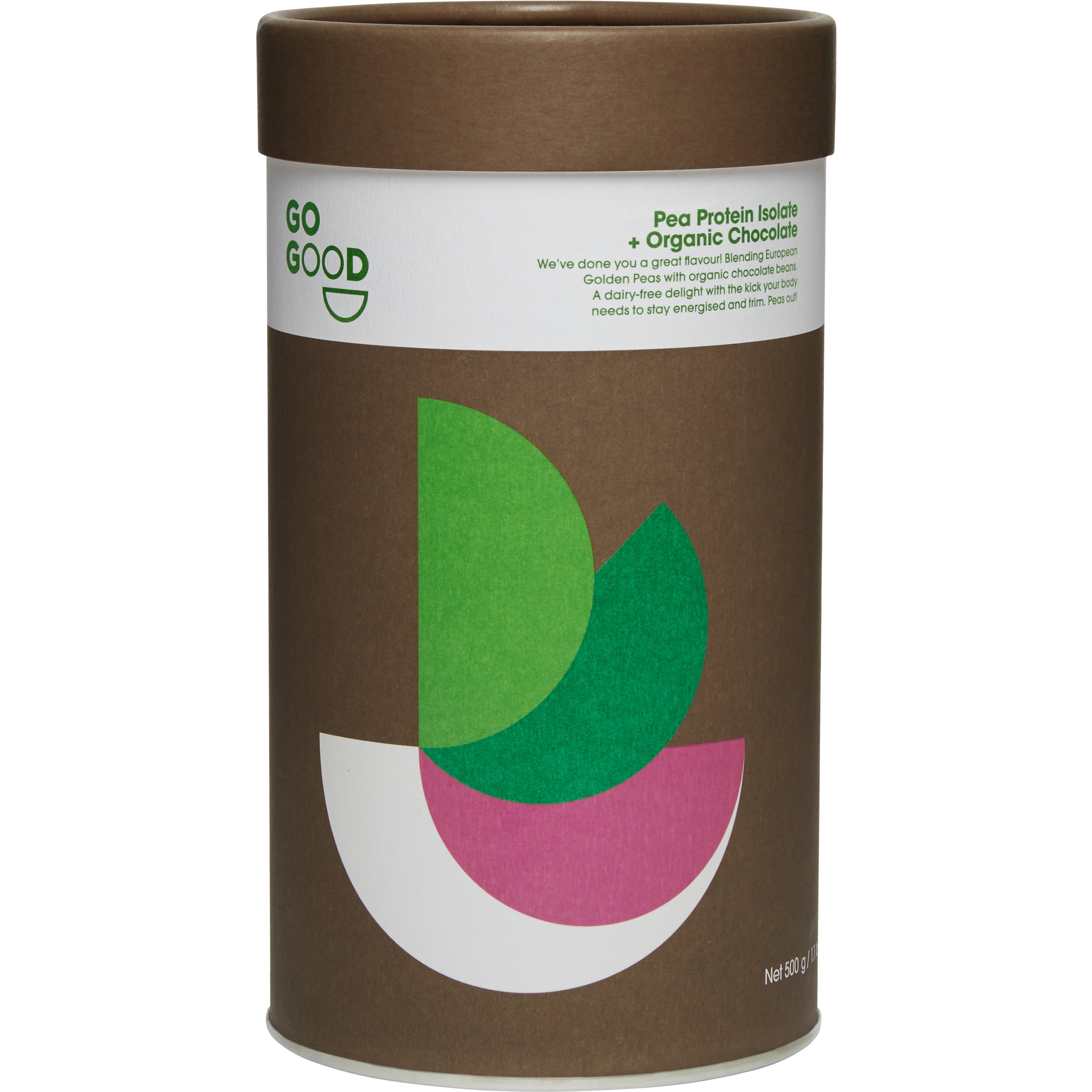
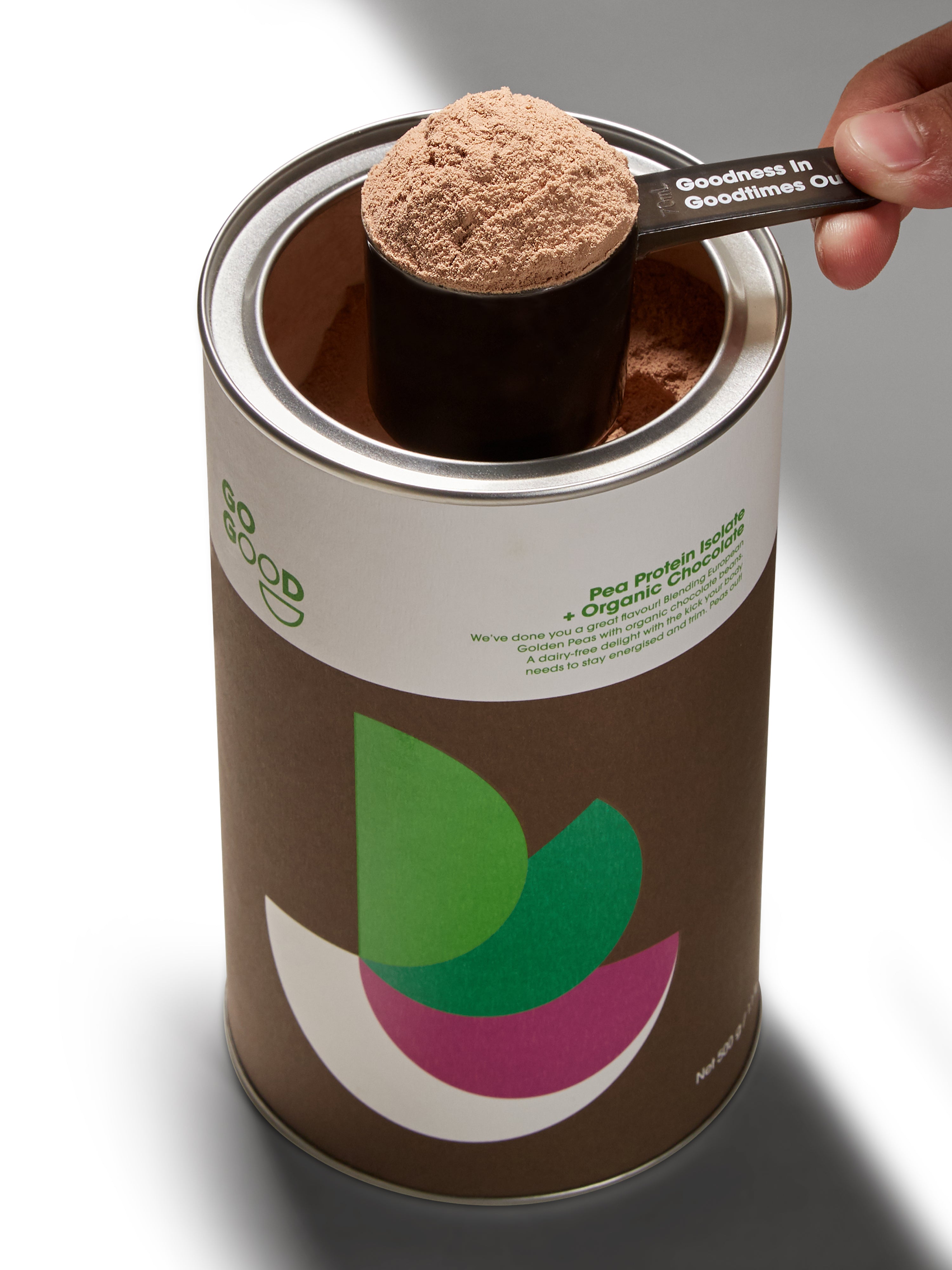
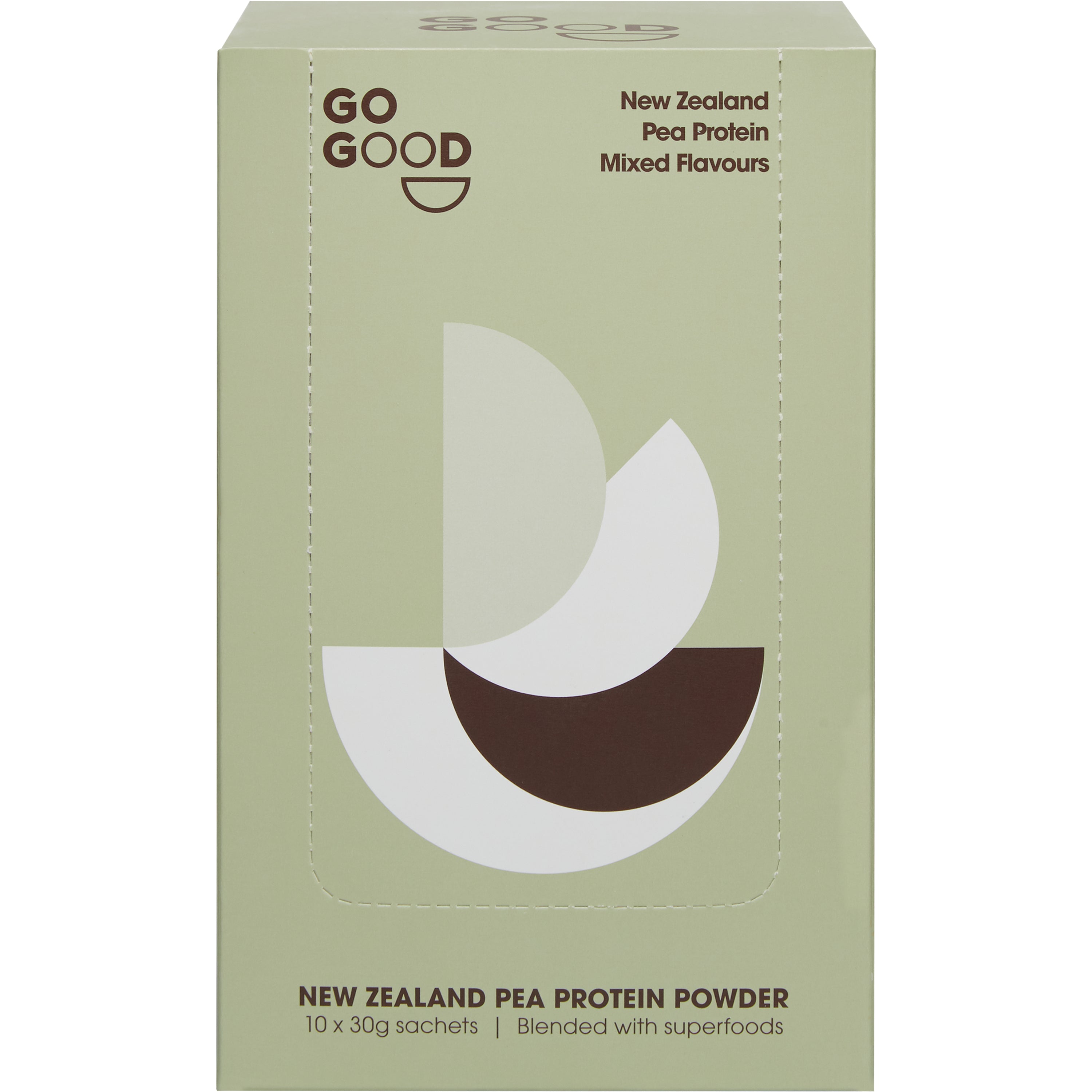
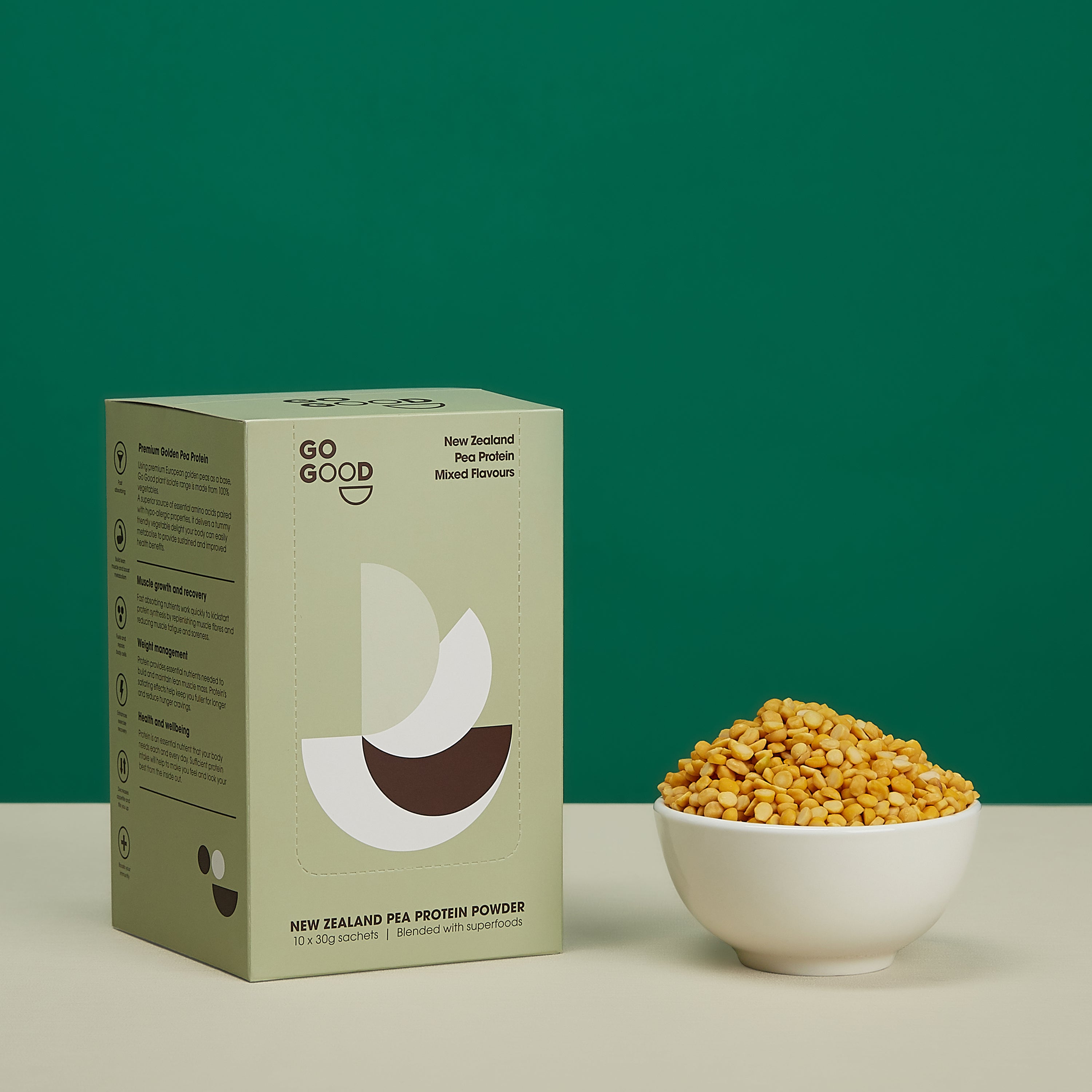
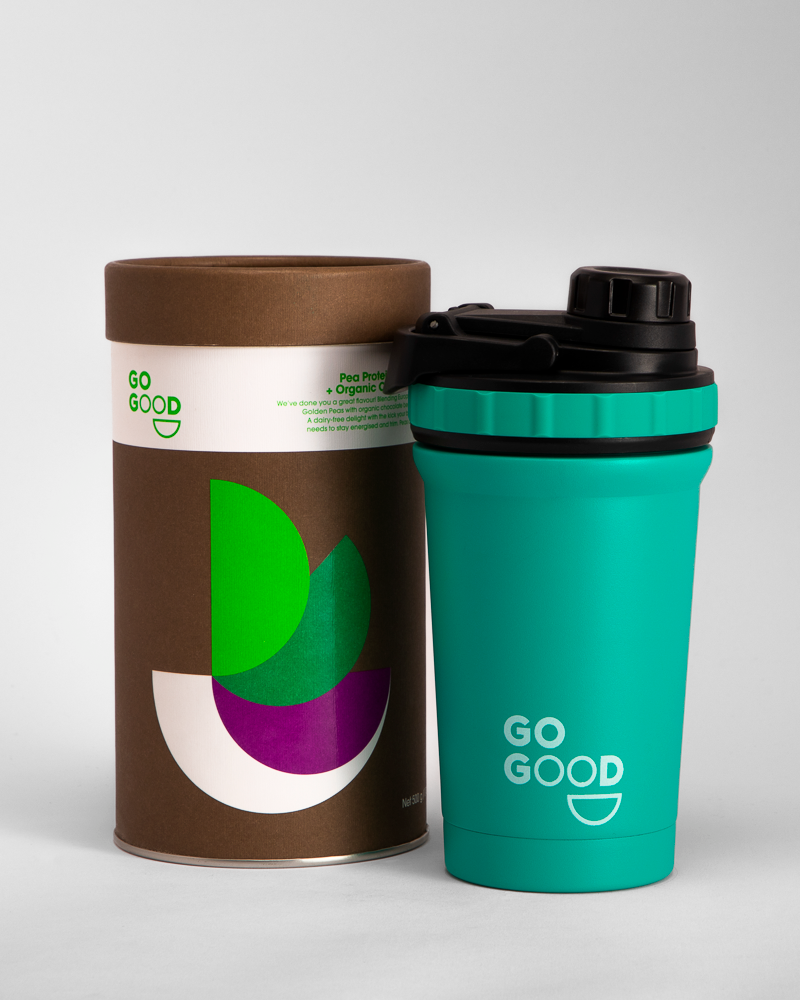
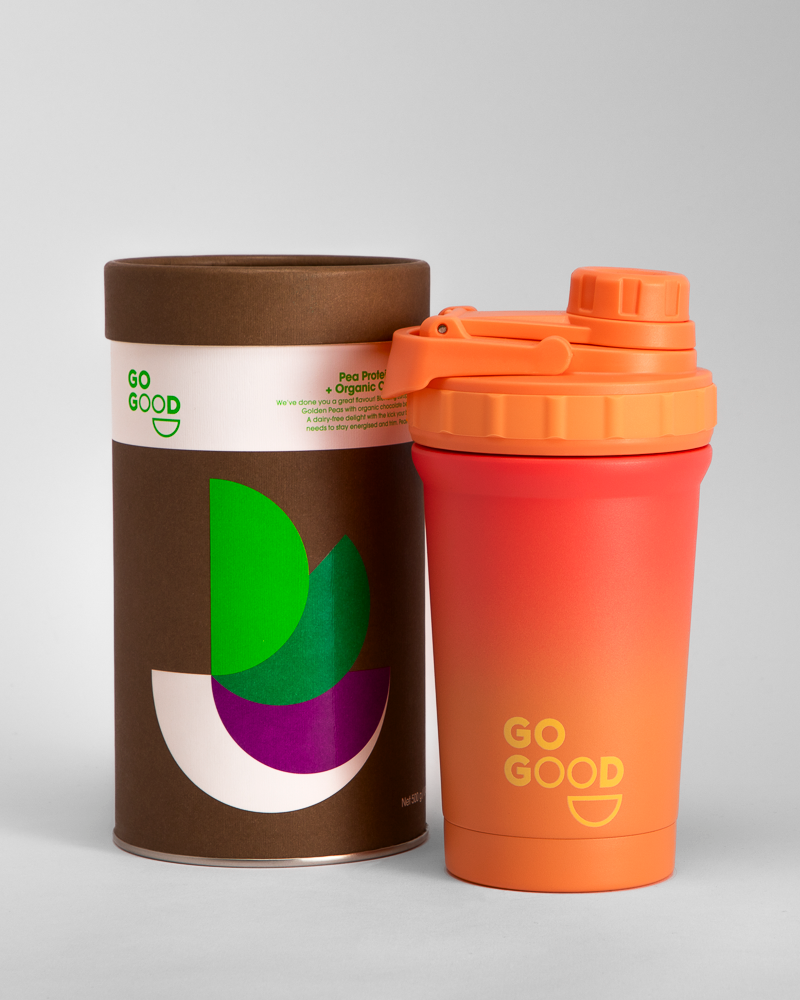
Organic Chocolate Plant Protein Powder
- Improve your muscle recovery and repair
- Easy to digest - Gluten, soy and dairy-free
- Boost your immunity and help build lean muscle
Whey protein concentrate from New Zealand grass-fed Friesian cows. Free from harmful hormones, superior nutritional profile, with minimal carbs and fat.
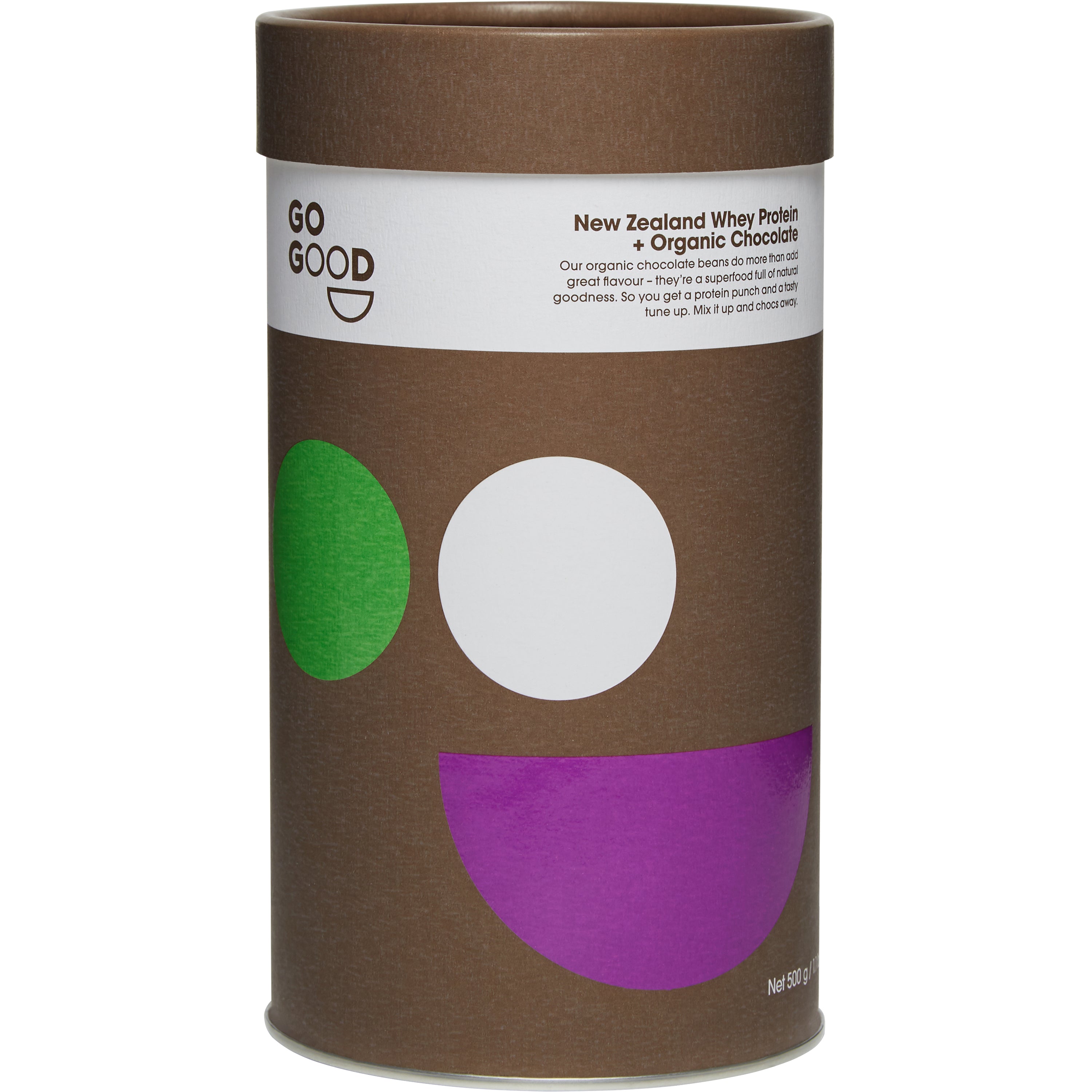
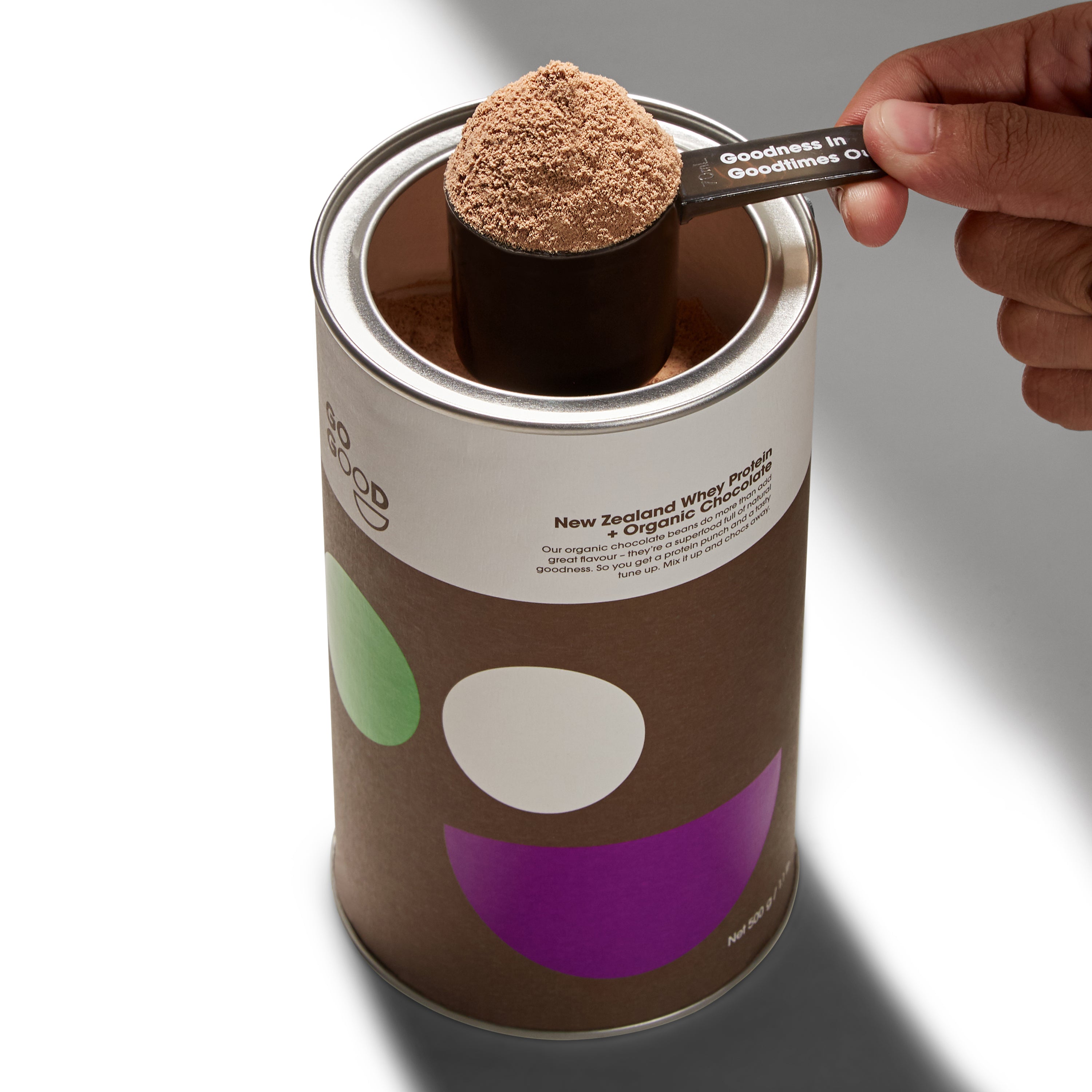
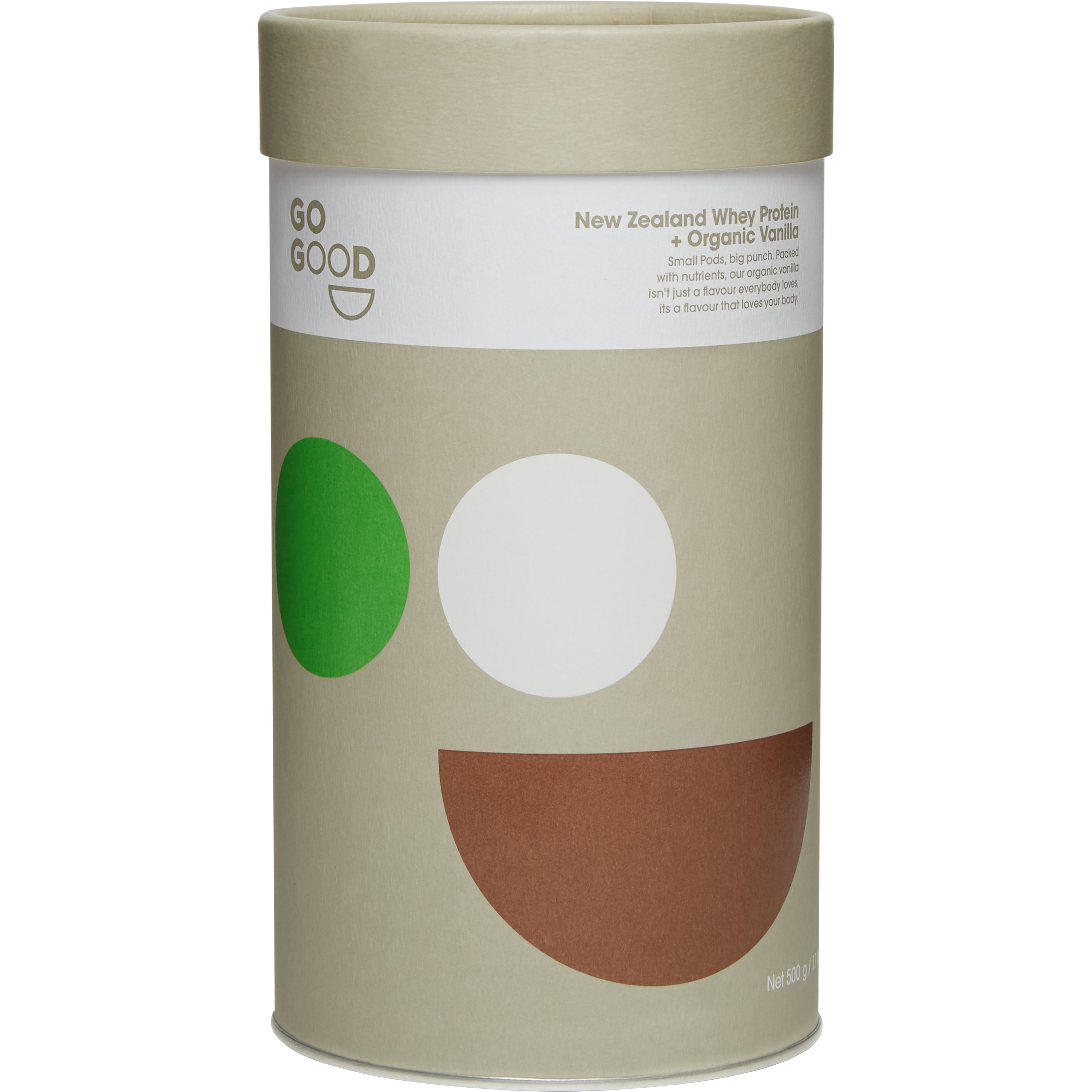
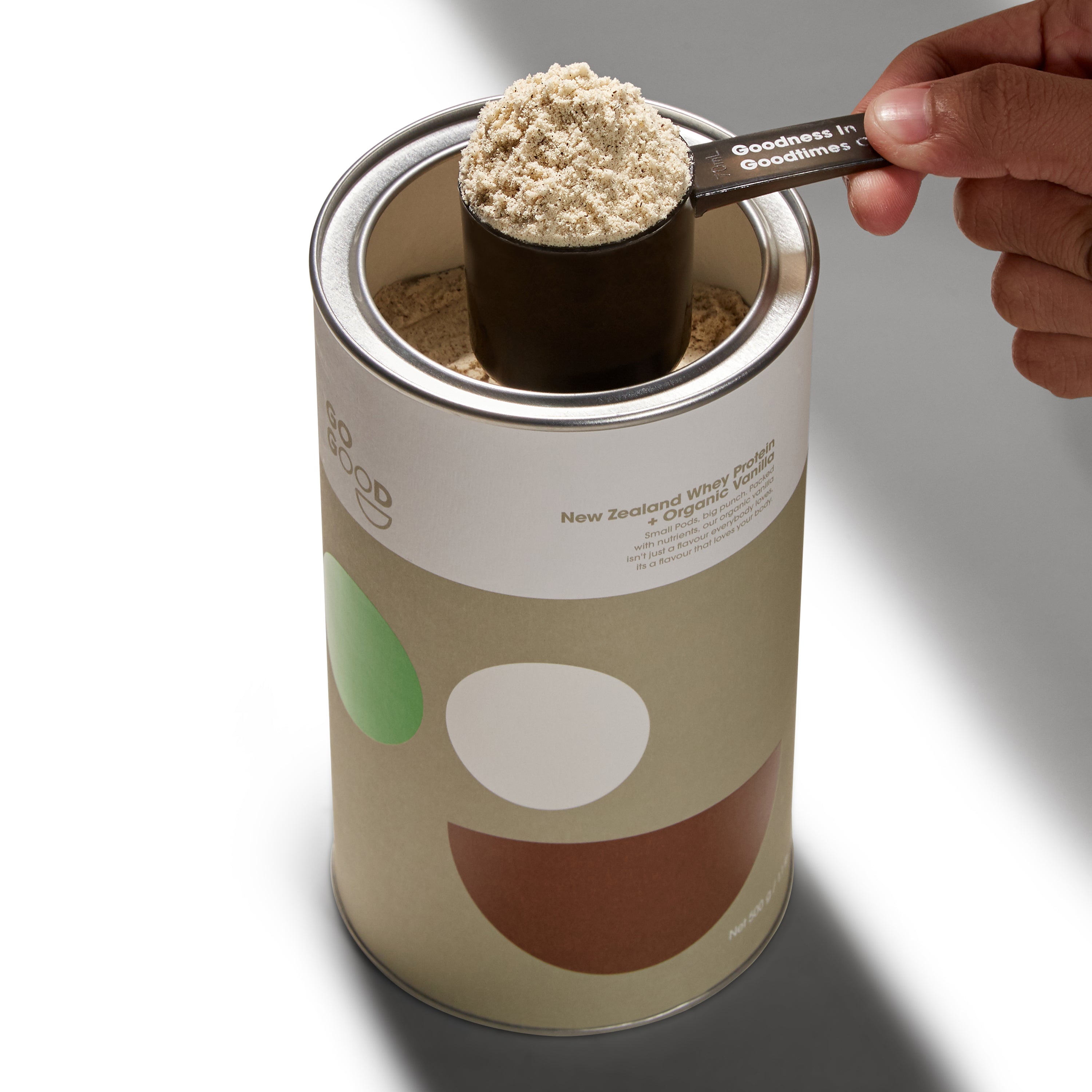
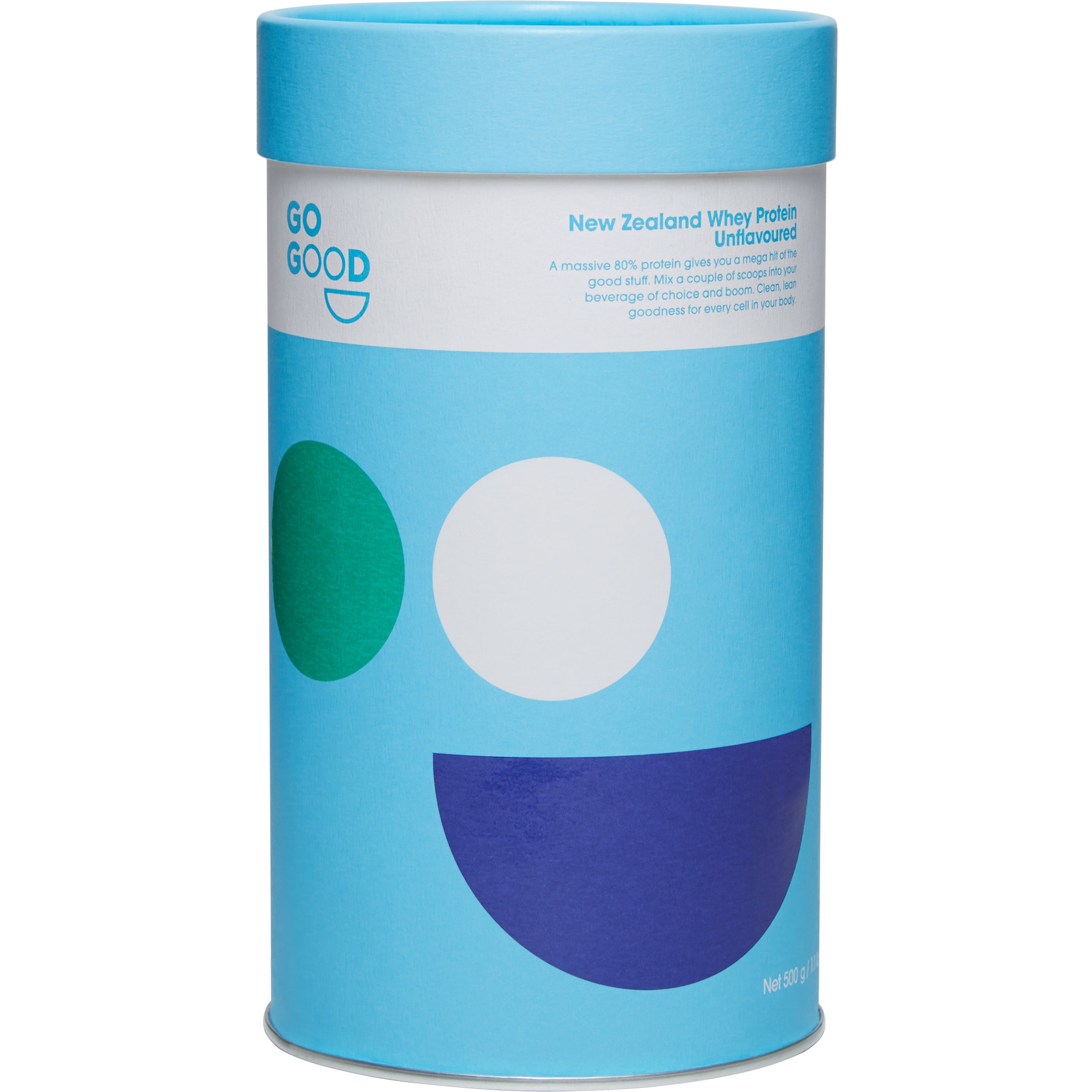
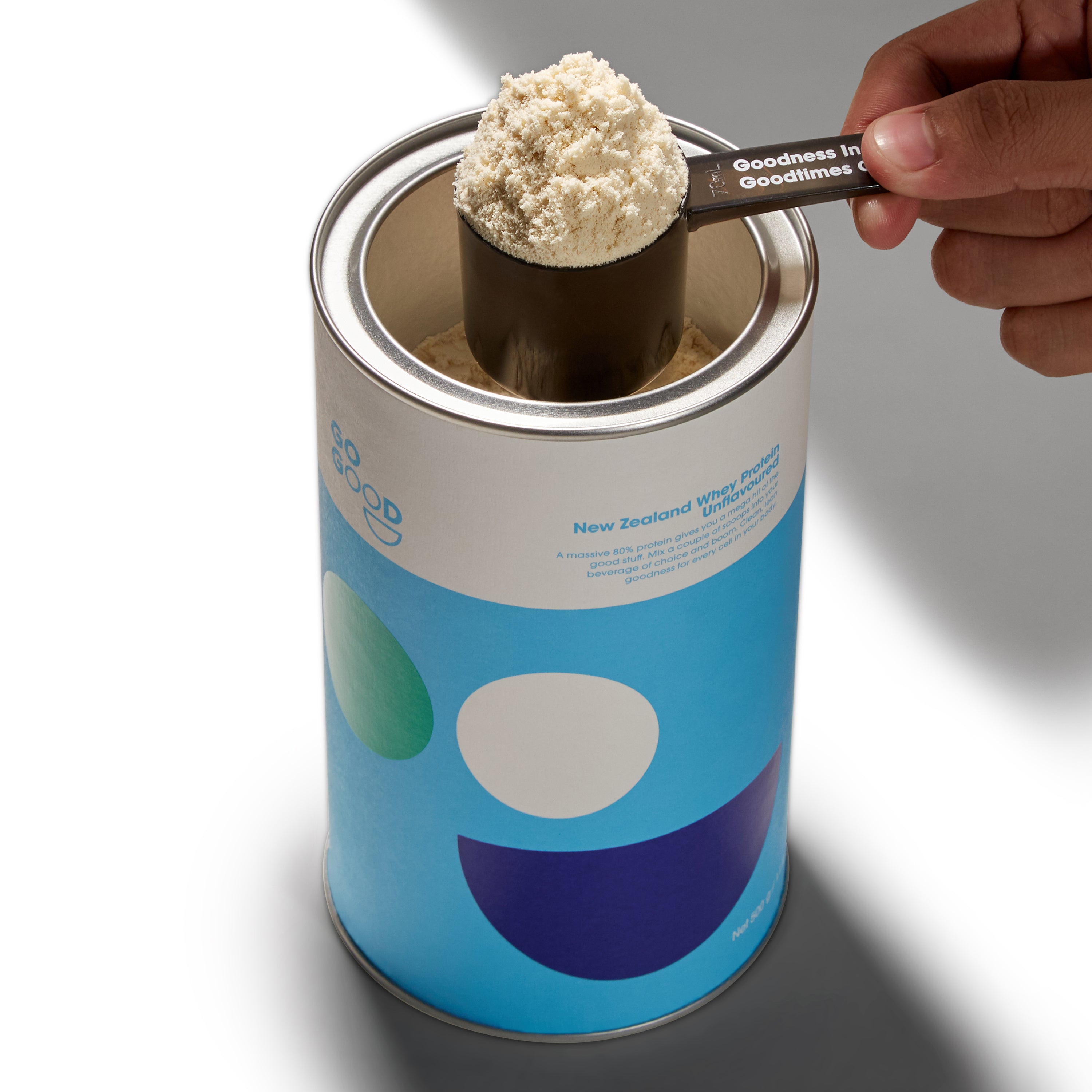
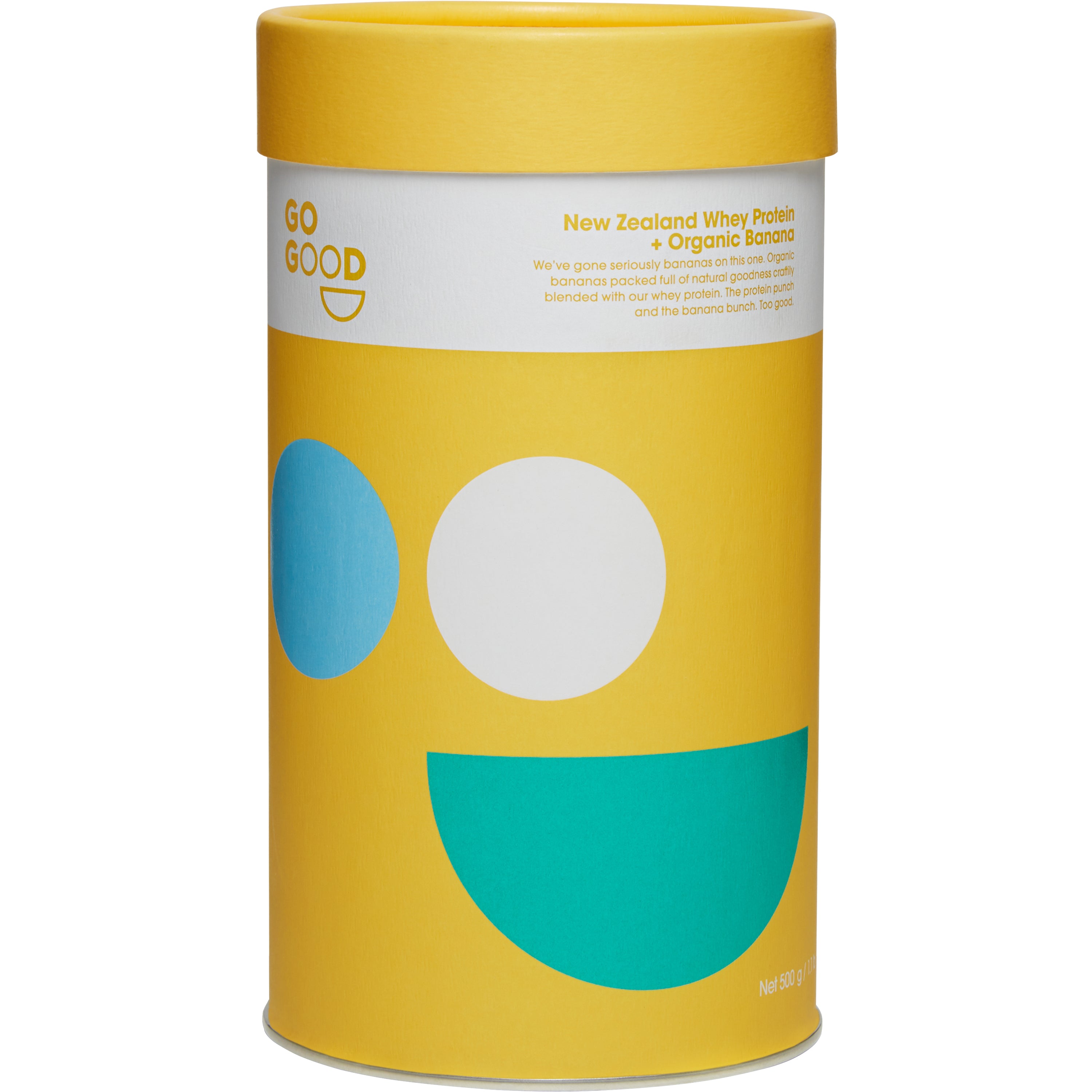
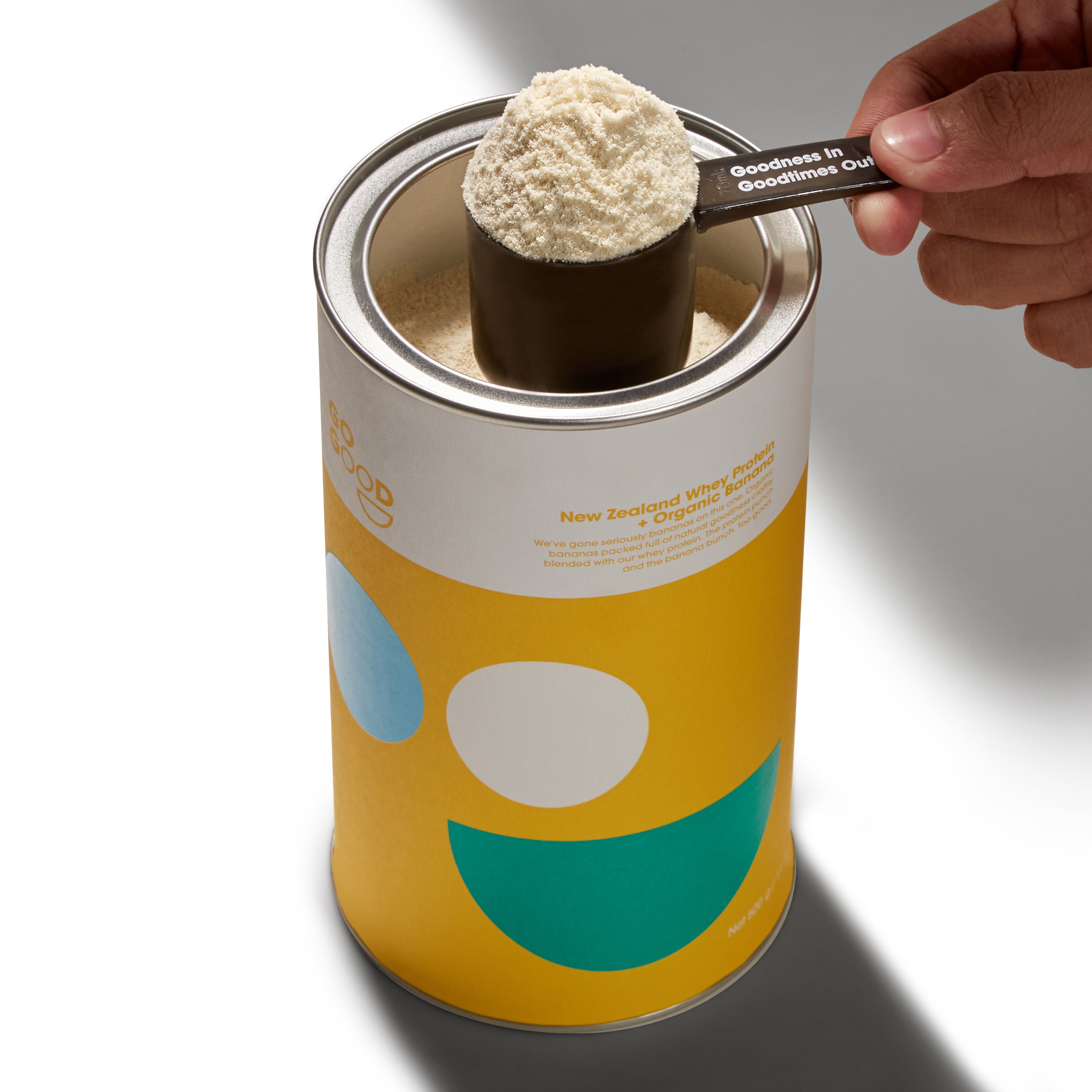
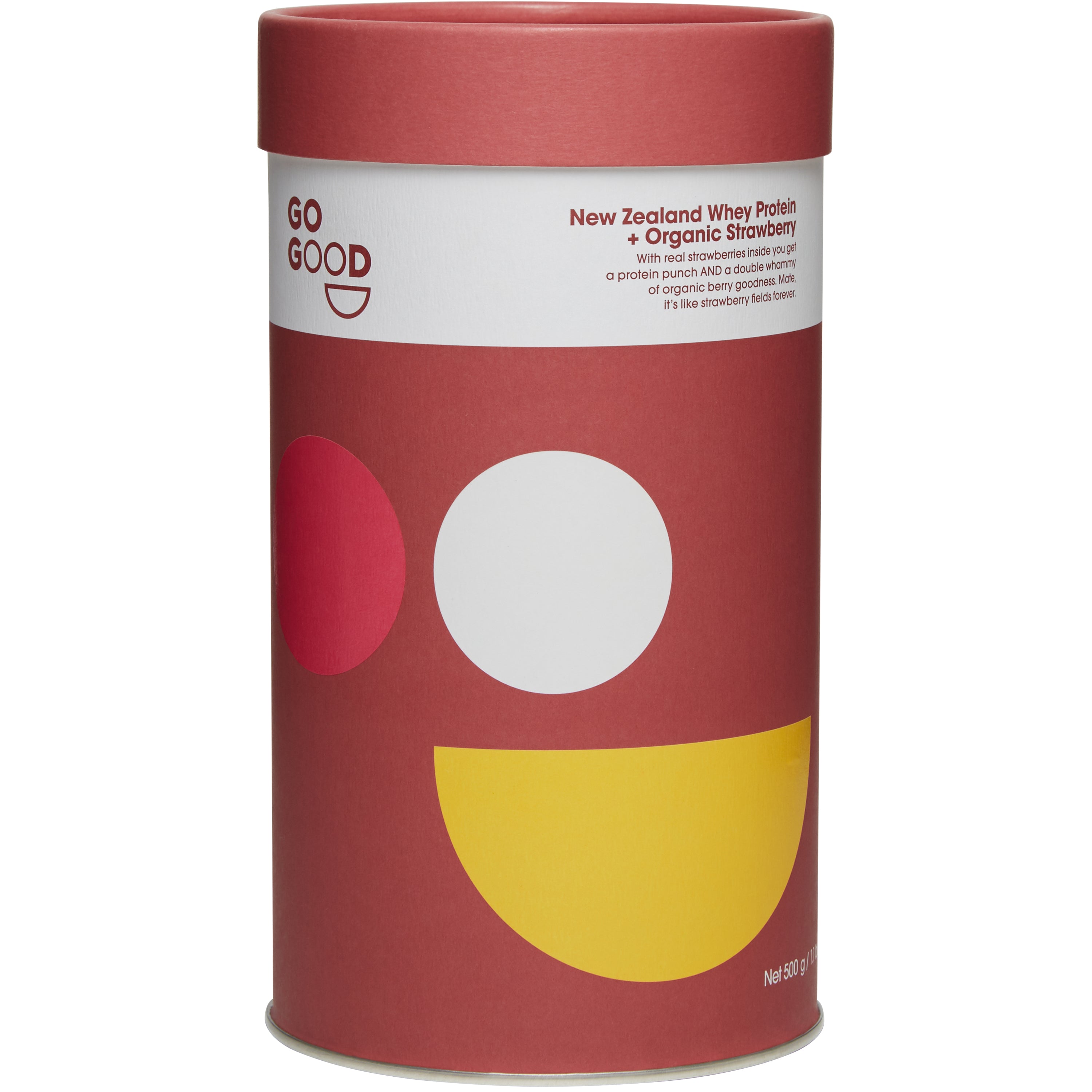
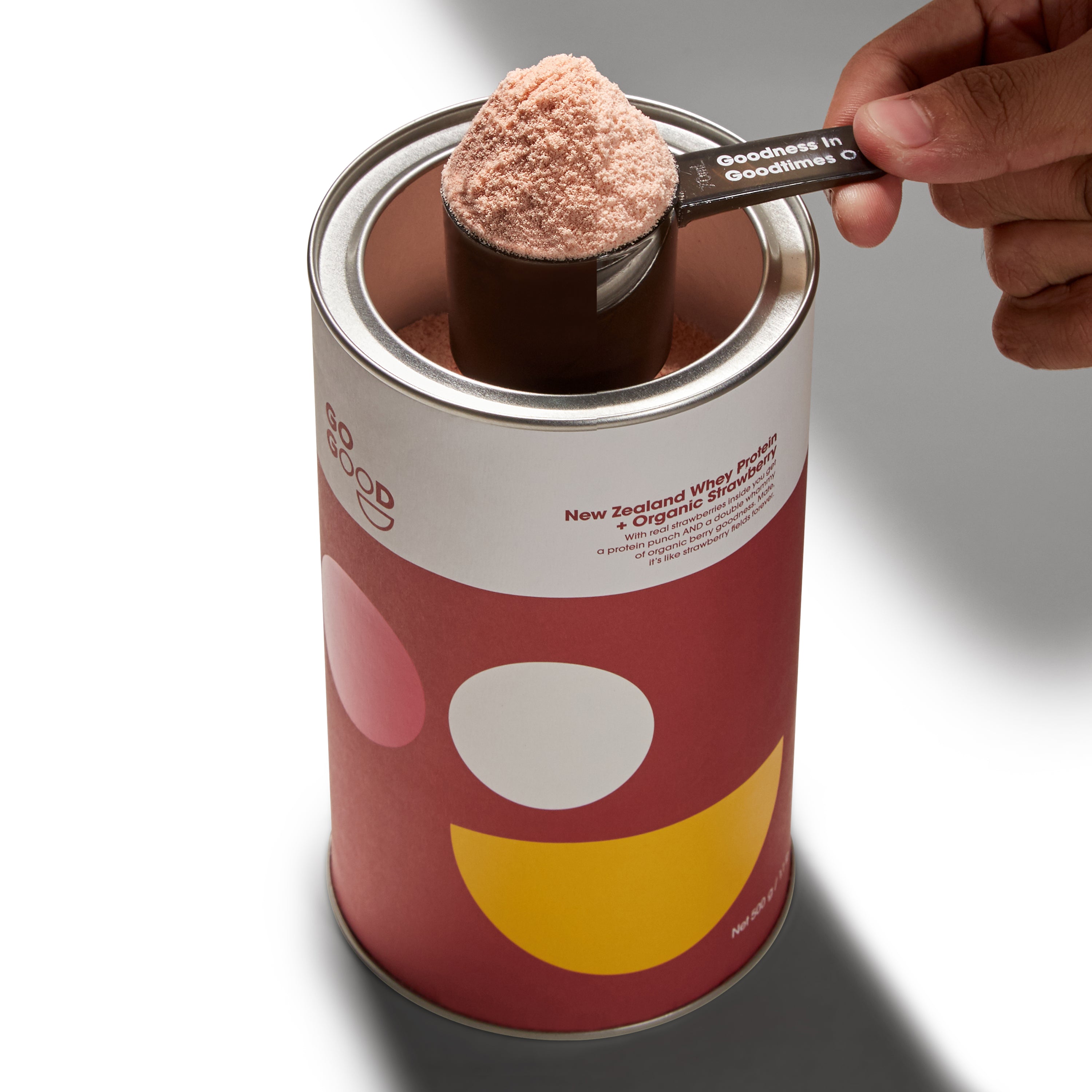
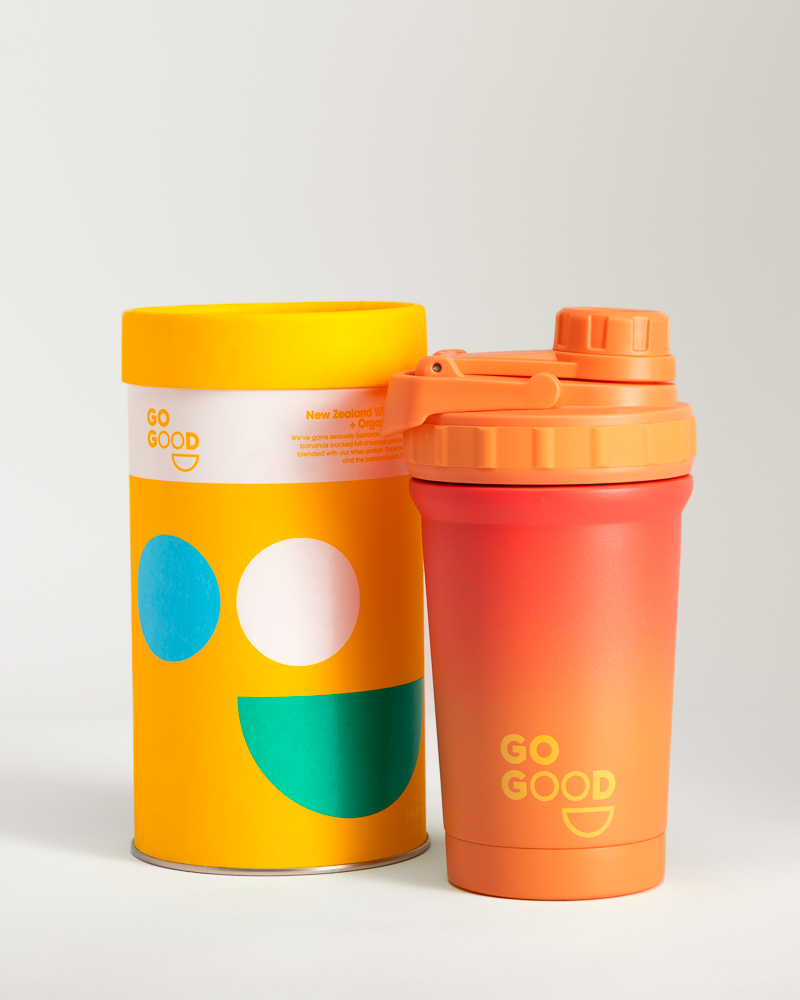
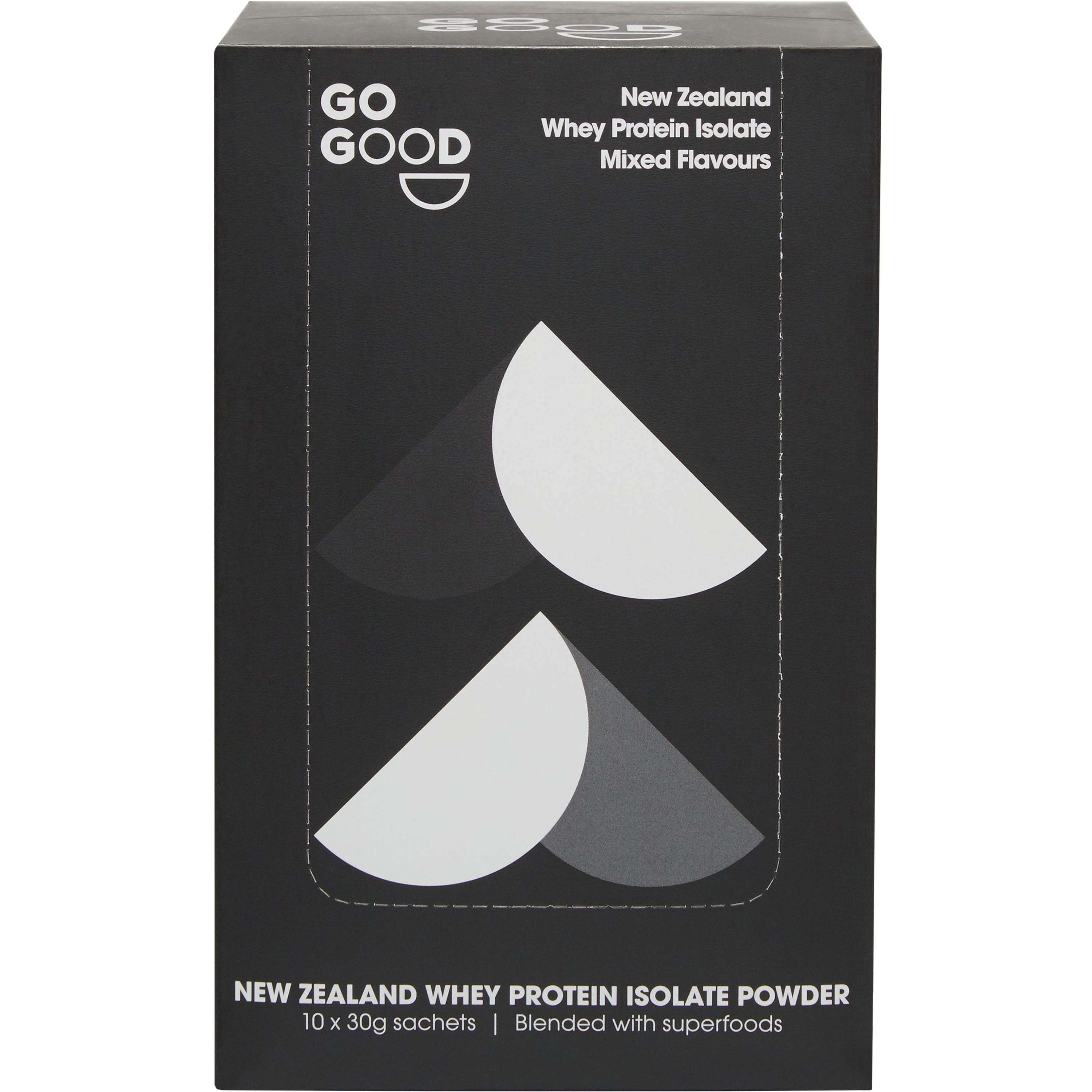
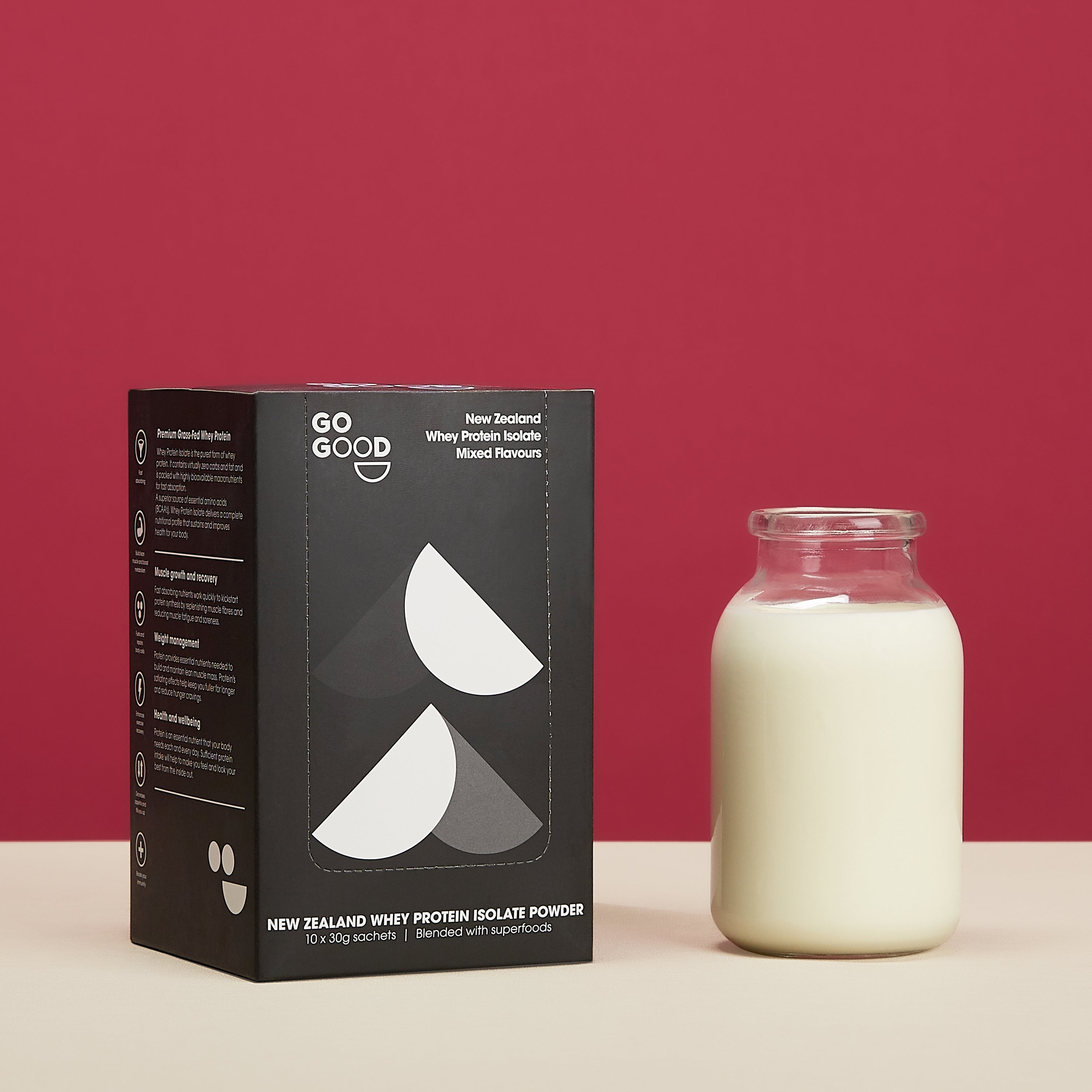
Whey protein isolate from New Zealand grass-fed cows, gently filtered after single pasteurisation to preserve nutrients and strip out nearly all sugar and fat.


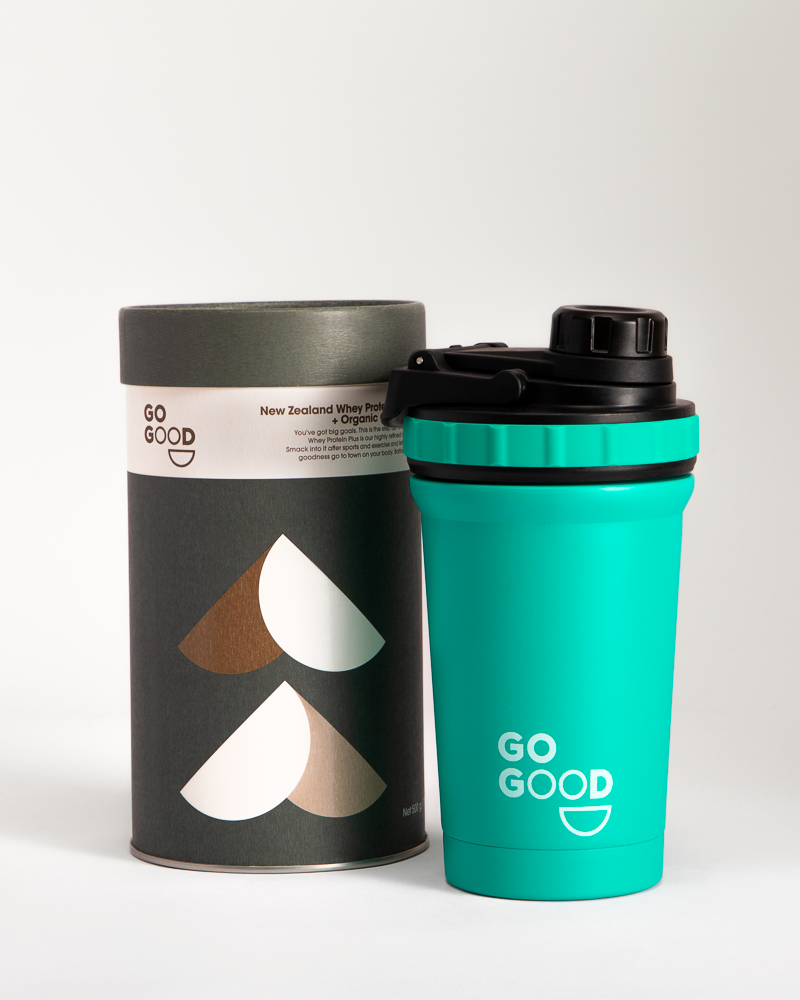
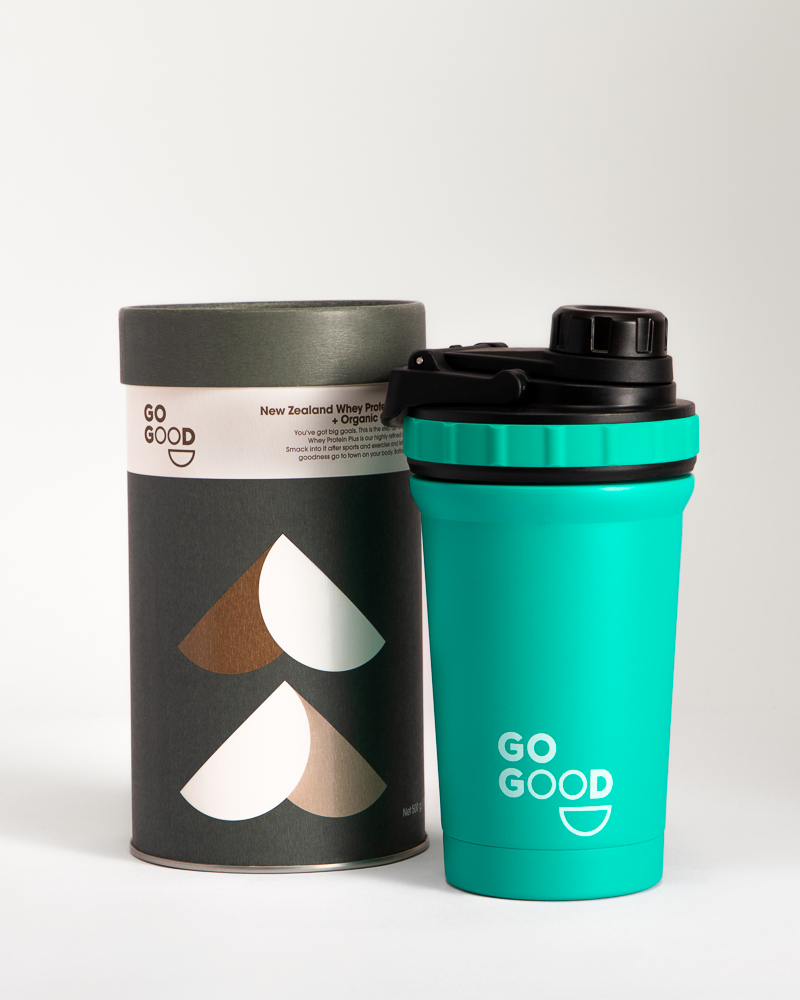
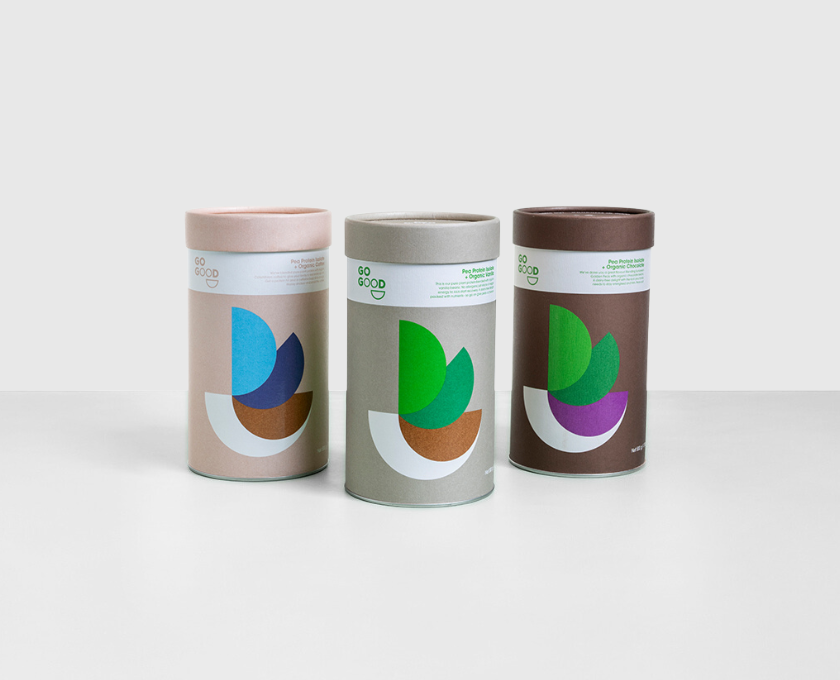
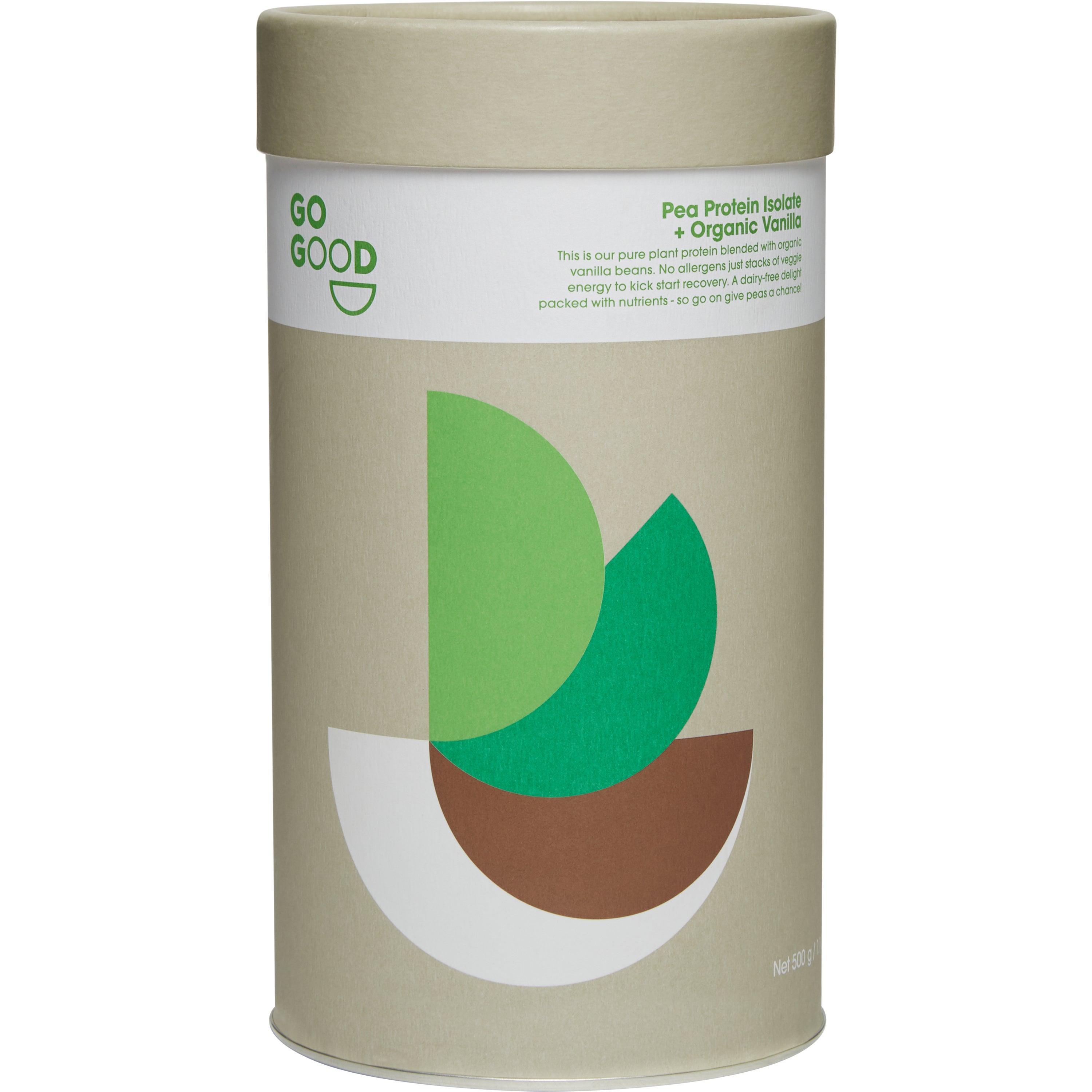
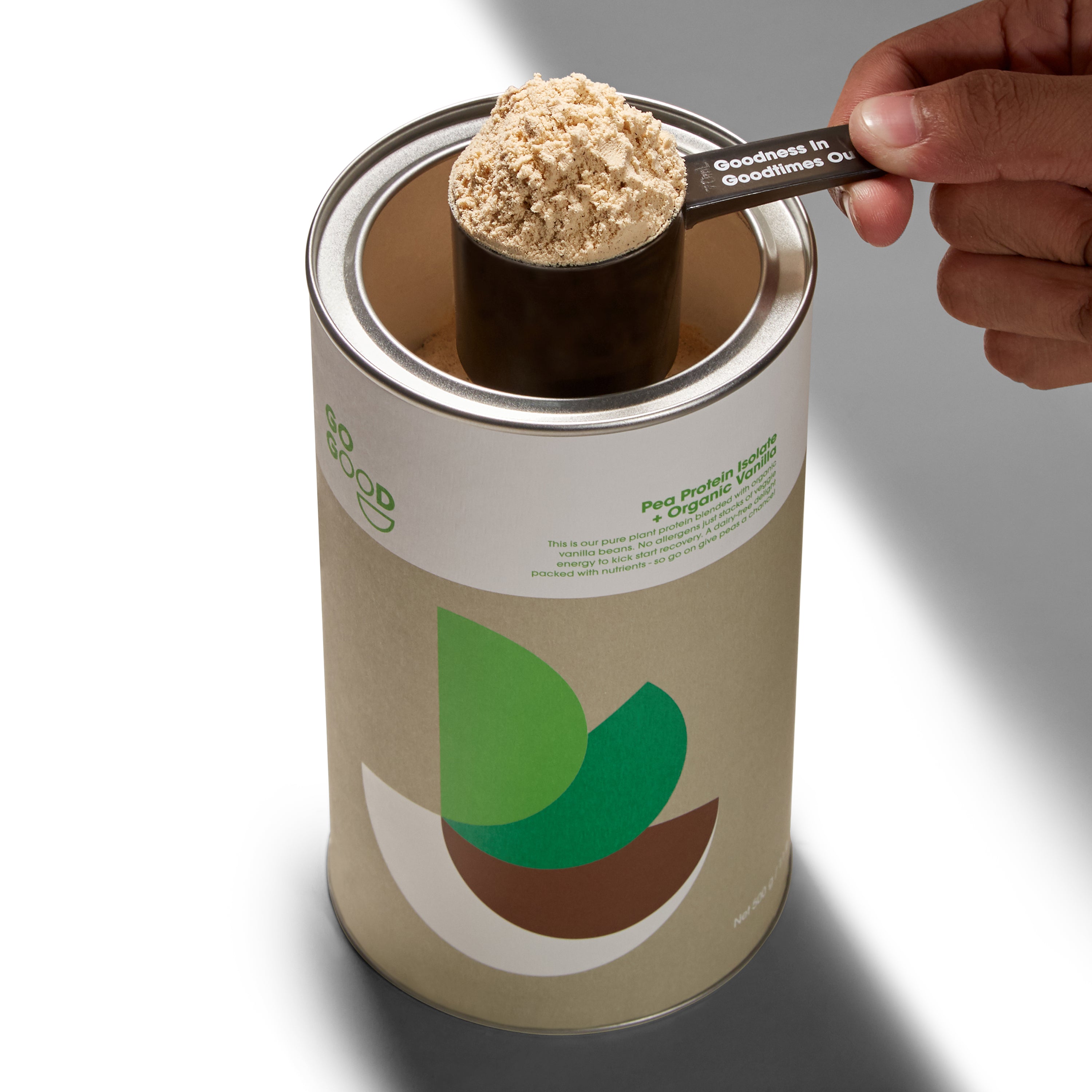
Pea protein isolate from premium European Golden Peas. Rich in nutrients, low in carbs and fat, packed with essential amino acids and naturally hypoallergenic.
Read more
Is it safe to drink protein shakes during lactation? The short answer is yes! It's recommended that nursing mums consume 25 extra grams of protein per day. Clean protein powders are a safe and conv...

Learn about the chemical-free pea protein isolate extraction process that leads to pea protein powder - a sustainable, complete protein source with exceptional digestibility.